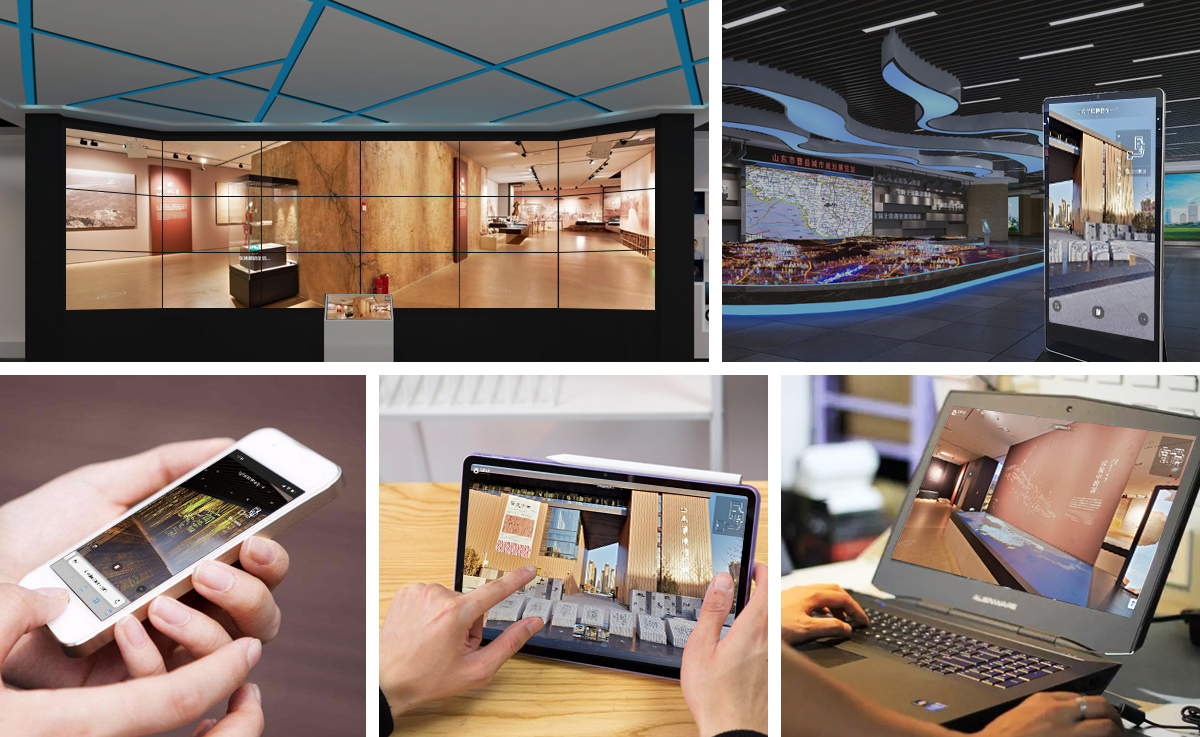
The article proposes upgrading public cultural venue guide services with AI voice interaction to address the limitations of traditional audio guides and static QR code content. AI can dynamically adjust explanation depth based on visitor profiles for personalized service, while professional verification is required to mitigate "information hallucination" risks. A complementary "AI foundational coverage + human expert deep service" model is recommended, offering manageable investment without venue retrofitting, expanded service coverage, and enhanced visitor experience.
Public cultural venues have long faced a structural tension: exhibitions are growing richer, visitors increasingly want in-depth commentary, yet the current service model remains relatively one-dimensional. Renting audio-guide devices is cumbersome, QR-code explanations are static, and neither can cater to the varied needs of different audiences.
This is not a question of service capacity, but of the service model itself needing an upgrade.
Today's AI voice-interaction technology already supports natural dialogue and multi-turn Q&A. Deployed in a guide scenario, it is like giving every visitor an on-call docent. A visitor stands before an exhibit, asks a question via phone or venue terminal, and the system responds with targeted answers, adjusting depth based on follow-up questions—deep historical detail for researchers, engaging stories for families with children, accessible background for casual visitors.
Research by the National Museum of China points out that generative AI in the cultural-heritage field carries a risk of "information hallucination," where historical timelines may be scrambled or decorative motifs misinterpreted. Therefore, AI-guide content must be curated by professionals, with every output vetted to avoid confident nonsense.
Our approach: AI handles the "basic coverage" role—individual visitors, off-peak hours, standardized commentary. In-depth explanations, special-needs groups, and complex queries remain the domain of human professionals. The two are complementary, not substitutive.
For venue managers, the investment is controllable: a one-time knowledge-base build and system deployment, with no need to alter physical space. The return is broader service coverage and improved visitor experience.